
From senior executive assistant to the Courtauld: Catherine Hennessy’s Access to HE journey
For learners returning to education after a long career, the first question is often whether they can still do it. Catherine Hennessy did, and her results earned her two awards for Outstanding Academic Achievement.
A career built, and a change of direction
Catherine Hennessy spent 25 years as a senior executive assistant, working at the highest levels of corporate environments. She left school after her GCSEs, briefly attended art college, then took a secretarial course that started her corporate career.
After more than two decades in the role, she no longer felt challenged. “I had always loved art and creativity; it was the one subject I wholeheartedly applied myself to at school, and I knew I wanted to be surrounded by it.” Returning to education was a chance to explore that interest properly.
Choosing the Access to HE Diploma
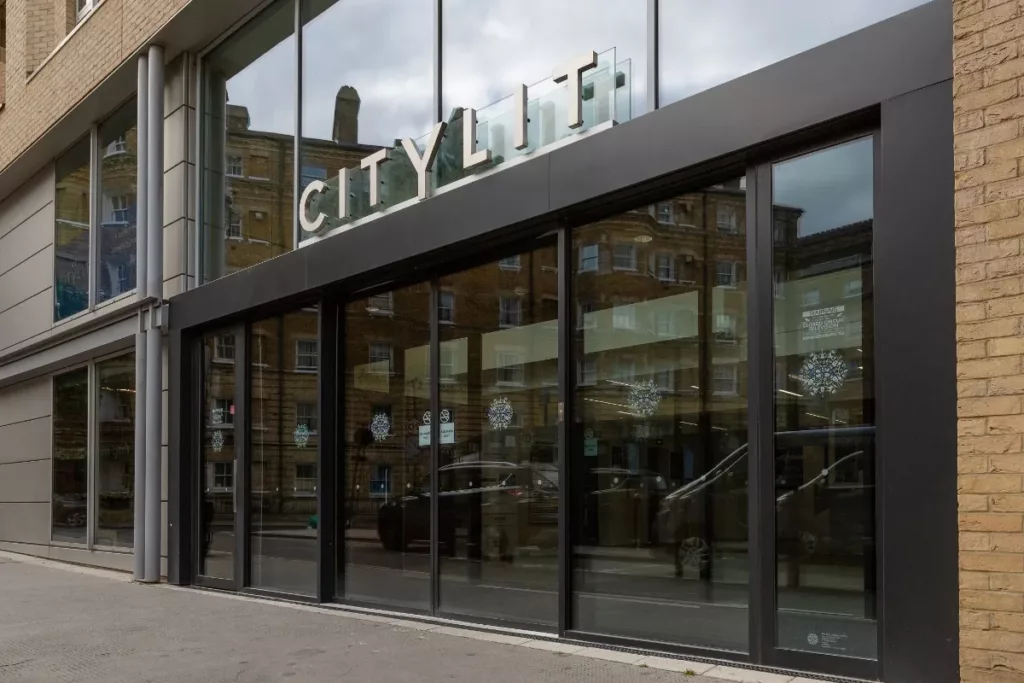
Catherine wanted a formal qualification in History of Art. The Access to HE Diploma (Humanities and Social Science), which she studied at City Lit in 2024-25, would give her the research, critical analysis and writing skills an undergraduate degree requires. As a mature student, she also found the one-year length manageable.
She admits the prospect was daunting. “I really wasn’t sure if I’d be able to adjust to studying again after many years away from education.”
Studying alongside a demanding job
Catherine completed the Access to HE course while working full-time in a highly pressured role, which meant evenings and weekends went on study. She was determined to achieve the highest grades she could, because she wanted to study at The Courtauld Institute. Keeping that goal in sight helped her stay focused.
Discipline mattered, and so did switching off. She set aside time at weekends for family, friends and herself, and made an effort to be fully present. She says that time away from her studies ultimately helped her concentrate. Her tutors played a part too: they were always available to talk through concerns, and their feedback on assignments was thorough and constructive.
What she gained
Studying the Access to HE Diploma gave Catherine more than subject knowledge. Sociology and History offered different perspectives on the social, cultural and historical context in which art is created, while English taught her to analyse critically and articulate her ideas. Studying literary devices, she says, “has completely changed how I read.”
The results changed how she sees herself, too. Having left school with GCSEs, she found she could achieve academically at a much higher level than she had believed. She is proud of earning distinctions while holding down a demanding job.
Progression
Catherine secured a place to study History of Art at The Courtauld Institute, which she describes as a huge privilege. She is now studying the subject and is due to start a Master’s degree in the summer.
The skills she built on the Access to HE Diploma carried across well into her degree. The research, critical analysis and academic writing gave her a strong foundation. “I felt much more confident approaching university level work as a result.”
She is working towards a second career in the art world, something she says she would not have thought possible a few years ago.
Her work was recognised with the OCN London Michael Sargent Bursary Award and the National Keith Fletcher Prize, both awarded for Outstanding Academic Achievement.
Her advice to future learners
Catherine is realistic about the workload. “It will be a lot easier if you don’t have a demanding full-time job alongside it! But it is possible.” Her advice is to turn up, participate, organise your time well and listen to your tutors’ feedback. She also recommends leaving room for downtime and leaning on family and friends when things feel overwhelming.
Asked to sum up the experience in three words, she chose challenging, inspiring and rewarding.
To find out more about studying an Access to HE Diploma, visit ocnlondon.org.uk/access-to-he.


